Implementing Effective Protocols with a Salon Safety Rules Vector Infographic
Maintaining a hygienic and secure environment in a beauty or wellness business requires more than just verbal instructions; it demands clear, consistent visual communication. A Salon Safety Rules Vector Infographic serves as an essential operational tool that transforms complex health regulations into accessible, easy-to-understand visual guides. For salon owners, managers, and stylists, this resource bridges the gap between regulatory compliance and client confidence. By utilizing high-quality vector templates, businesses can create professional signage and digital content that reinforces safety standards without compromising the aesthetic appeal of their brand.
Addressing Communication Challenges in Modern Salons
The primary challenge in salon management today is balancing strict hygiene protocols with a welcoming, relaxing atmosphere. Clients visit salons to unwind, and aggressive or cluttered text-heavy warnings can create anxiety rather than reassurance. Furthermore, staff members often face "signage fatigue," where important reminders blend into the background after repeated exposure. There is also the logistical hurdle of updating these communications as guidelines evolve. Printing new posters every time a regulation changes is costly and unsustainable for many small businesses.
A Salon Safety Rules Vector Infographic template solves these issues by providing a scalable, editable foundation. Because these assets are designed specifically for the industry, they address common pain points such as social distancing visualization, sanitation workflow clarity, and personal protective equipment (PPE) requirements. The goal is not merely to display rules but to integrate them seamlessly into the salon’s interior design and digital presence. When safety information is presented through clean linear icons and organized layouts, it becomes part of the professional service experience rather than an interruption.
Visualizing the 5-Step Safety Process
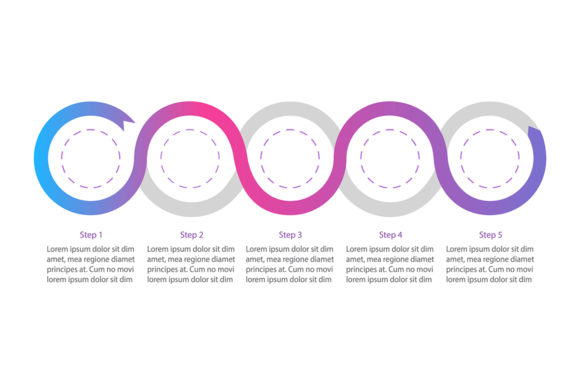
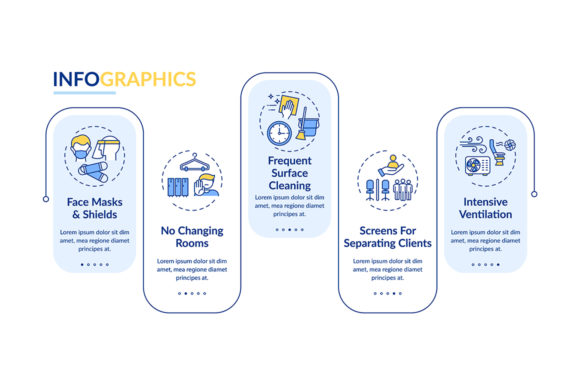
Effective safety communication relies on structure. Randomly listed rules are difficult to memorize and follow. This is why the most useful infographic templates utilize a data visualization approach centered on a 5-step process timeline chart. Breaking down safety procedures into five distinct phases helps both staff and clients understand the logical flow of a safe salon visit. This linear progression reduces cognitive load and ensures that no critical step is overlooked during busy operating hours.
- Step 1: Pre-Arrival Screening: Visual cues regarding appointment confirmation, health questionnaires, and arrival protocols to prevent congestion in waiting areas.
- Step 2: Entry and Sanitization: Clear iconography indicating hand sanitizing stations, temperature checks, and mask requirements upon entering the facility.
- Step 3: Service Area Preparation: Illustrations showing the proper setup of separating screens, sterilized tools, and fresh linens before the client is seated.
- Step 4: Active Service Protocols: Reminders for maintaining distance where possible, proper mask usage during treatments, and ventilation standards during chemical services.
- Step 5: Post-Service Turnover: A checklist visualization for disinfecting surfaces, disposing of single-use items, and resetting the station for the next appointment.
This workflow layout with linear icons provides a mental map for employees. Instead of trying to recall a paragraph of text from an employee handbook, a stylist can glance at the timeline chart and verify they have completed each phase of the safety cycle. For clients, seeing this structured process displayed publicly demonstrates that the business has a systematic approach to their well-being.
Design Elements That Enhance Compliance
The specific design components included in a professional Salon Safety Rules Vector Infographic are chosen for their universal recognizability and psychological impact. Two of the most critical elements are face masks and separating screens. In a vector format, these symbols remain crisp and legible regardless of size. Whether printed on a large acrylic divider or displayed as a small icon on a mobile booking confirmation, the message remains unambiguous.
Separating screens have become a permanent fixture in many salon layouts. However, simply installing a physical barrier is not enough; its purpose must be communicated. Infographics that depict these screens help normalize their presence, framing them as a standard feature of modern luxury service rather than a temporary emergency measure. Similarly, face mask illustrations should be styled to match the salon's branding. A vector template allows designers to adjust colors and line weights so that safety imagery aligns with the salon’s color palette, maintaining brand consistency while promoting health.
Technical Versatility and File Formats
One of the significant advantages of using a dedicated vector template package is the inclusion of multiple file formats. A comprehensive ZIP file containing EPS, JPG, PNG, and SVG formats ensures that the salon safety assets are ready for any application. Understanding when to use each format is crucial for practical implementation.
EPS and SVG files are the core of the package. These vector formats allow for infinite scaling without pixelation. They are essential for printing large-format signage, window decals, or custom acrylic barriers. More importantly, they are fully editable in software like Adobe Illustrator or Affinity Designer. This means a salon owner can change the text to reflect local regulations, swap out icons to represent specific services, or alter colors to match a seasonal rebrand without needing to hire a graphic designer from scratch.
JPG and PNG files serve immediate digital needs. High-resolution JPGs are perfect for social media posts, email newsletters, or website banners announcing updated safety policies. PNG files with transparent backgrounds are particularly valuable for overlaying safety badges onto existing marketing materials or adding them to digital menus and booking platforms. Having all these variations readily available in a single download streamlines the deployment of safety communications across both physical and digital touchpoints.
Tailoring Implementation for Different Users
While the core safety principles remain constant, different stakeholders interact with the Salon Safety Rules Vector Infographic in unique ways. Recognizing these differences helps maximize the utility of the template.
Salon Owners and Managers primarily use the template as a compliance and branding asset. Their focus is on customization and placement. They might edit the 5-step timeline to include specific state-mandated language or add the salon logo to the header. For this group, the vector editability is the most valuable feature, as it protects their investment in signage by allowing updates without reprinting costs.
Graphic Designers and Marketers view the template as a time-saving framework. Rather than drawing linear icons or designing a process chart from zero, they can adapt the existing layout to create cohesive campaigns. They might extract individual icons to create a series of Instagram stories explaining each safety step in detail or use the workflow layout to design an internal training manual.
Staff Members interact with the final output as a daily reference guide. For them, clarity is paramount. The infographic should be placed in high-visibility back-of-house areas as well as client-facing zones. Staff can use the visual timeline as a mental checklist during turnover periods, ensuring consistency even during peak hours.
Practical Recommendations for Best Results
To get the most out of your salon safety resources, consider the following implementation strategies. First, audit your current space to identify high-traffic decision points. The entryway, reception desk, and individual styling stations are prime locations for specific steps of the infographic. Do not overwhelm a single area with all five steps if the space does not warrant it; instead, distribute the timeline chart logically throughout the customer journey.
Second, ensure accessibility. While vector graphics are visually appealing, always pair icons with concise text labels. Not every client will intuitively understand what a specific linear icon represents without context. Use high-contrast colors to ensure readability for those with visual impairments. Third, integrate the infographic into your staff training program. Walk new hires through the visual guide during onboarding so they understand that it is an operational tool, not just decoration.
Finally, treat your safety communication as a living document. Regulations and best practices shift over time. Because you possess the source vector files, schedule a quarterly review of your Salon Safety Rules Vector Infographic. Update dates, refine wording based on staff feedback, and refresh visuals to prevent stagnation. By maintaining a proactive approach to visual safety communication, you demonstrate a commitment to excellence that resonates deeply with clients and fosters a culture of care within your team.