Mastering Visual Communication: A Guide to Using Infographic Element Collection 3 for Business Projects
In the fast-paced world of digital marketing and business communication, capturing attention is only half the battle; retaining it is where the real challenge lies. We live in an era of information overload, where audiences are bombarded with data, statistics, and complex concepts every single day. This is where the power of visual storytelling becomes indispensable. The Infographic Element Collection 3 represents more than just a set of graphics; it is a comprehensive toolkit designed to bridge the gap between raw data and human understanding. Available in versatile AI, EPS, and SVG formats, this collection empowers designers, marketers, and business owners to transform abstract ideas into compelling visual narratives suitable for flyers, banners, presentations, and advertising projects.
The Fundamental Role of Infographic Elements in Modern Design
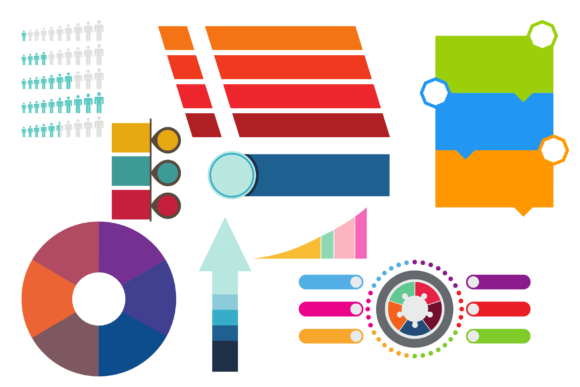
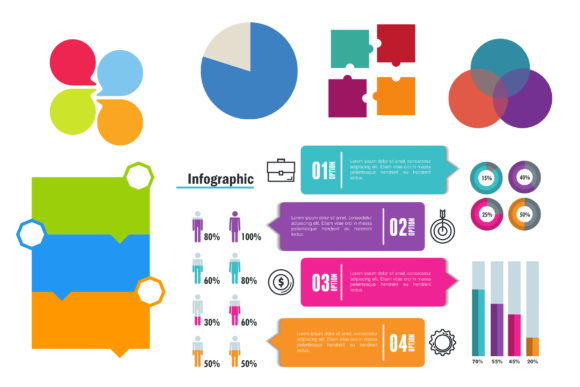
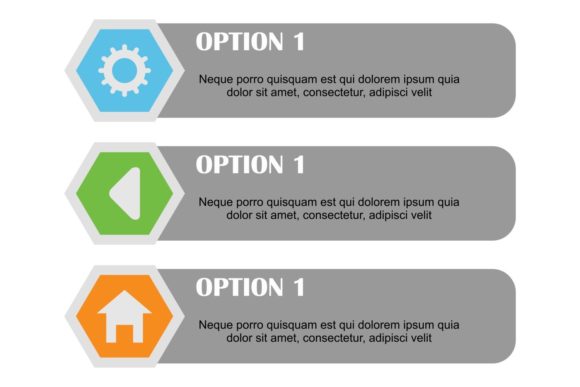
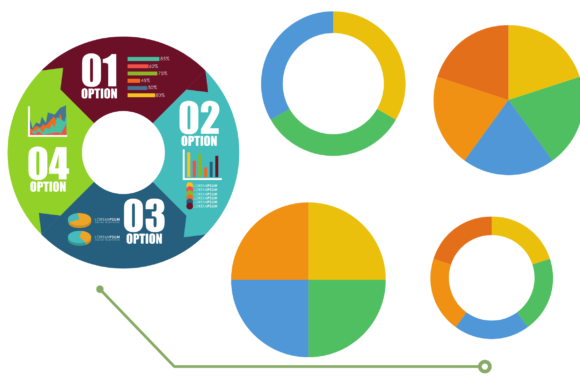
To truly leverage a resource like Infographic Element Collection 3, one must first understand what infographic elements actually are. Contrary to popular belief, they are not merely decorative clip art. They are functional design components that serve as visual metaphors for information. When we talk about "elements," we are referring to charts, diagrams, process flows, icons, timelines, and data visualization widgets that have been pre-designed to ensure aesthetic consistency and professional quality.
The significance of these elements extends beyond simple aesthetics. Cognitive science tells us that the human brain processes visual information 60,000 times faster than text. Furthermore, people tend to remember only 10% of information three days after hearing it, but if a relevant image is paired with that same information, retention increases to 65%. By utilizing a cohesive collection of vector-based elements, businesses can tap into this cognitive advantage, ensuring their message is not only seen but understood and remembered.
Why Format Versatility Matters: AI, EPS, and SVG Explained
One of the defining features of Infographic Element Collection 3 is its availability in AI, EPS, and SVG formats. For beginners or those outside the graphic design industry, these acronyms might seem technical, but understanding them is crucial for practical application. These are all vector-based formats, which distinguishes them fundamentally from raster images like JPEGs or PNGs.
- AI (Adobe Illustrator): This is the native source file format. It allows for complete editability within Adobe Illustrator. You can adjust anchor points, change colors globally, resize without quality loss, and combine elements in infinite ways. It is the gold standard for professional print production.
- EPS (Encapsulated PostScript): Think of this as the universal language of vector graphics. While AI files require specific software, EPS files can be opened by almost any vector editing program, including CorelDRAW and Inkscape. This format ensures compatibility across different platforms and operating systems.
- SVG (Scalable Vector Graphics): This is an XML-based markup language for describing two-dimensional graphics. SVGs are essential for modern web design because they are code-based, lightweight, and infinitely scalable on any screen resolution. They are perfect for responsive websites and interactive digital presentations.
The ability to work in these formats means that whether you are designing a massive outdoor banner or a tiny icon for a mobile app, the crispness and clarity of your infographic elements will never degrade. This scalability is vital for maintaining brand professionalism across diverse media channels.
Practical Applications Across Business and Creative Projects
The versatility of Infographic Element Collection 3 makes it applicable to a wide spectrum of professional scenarios. Understanding how to deploy these assets effectively can elevate various types of business collateral.
Elevating Marketing Collateral: Flyers and Banners
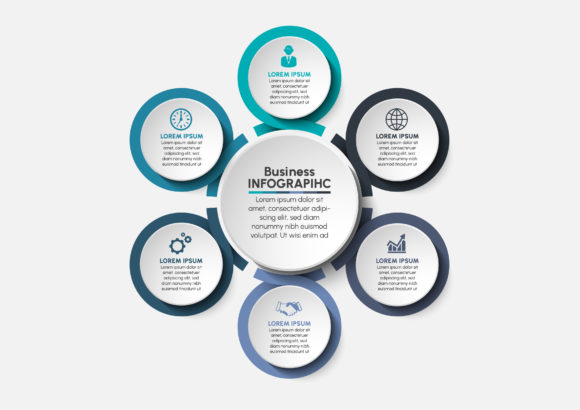
In traditional advertising, space is at a premium. A flyer or banner has only seconds to convey its message before a potential customer walks past or scrolls by. Dense paragraphs of text are the enemy of conversion here. By integrating structured infographic elements, you can create a visual hierarchy that guides the viewer’s eye through the most critical information. For example, instead of listing five product benefits in bullet points, a designer might use a circular process diagram from the collection to show how those benefits interconnect. This turns a static advertisement into a dynamic visual experience that invites exploration rather than passive reading.
Transforming Corporate Presentations
Death by PowerPoint is a common ailment in the corporate world. Slides filled with tables and spreadsheets often lead to disengaged stakeholders. Infographic Element Collection 3 provides the antidote by offering presentation-ready visuals that simplify complexity. Whether explaining a quarterly revenue stream, outlining a new organizational structure, or mapping out a project timeline, these elements provide a consistent visual language. Consistency is key here; using mismatched graphics from different sources can make a presentation look disjointed and unprofessional. A unified collection ensures that slide 3 looks like it belongs with slide 20, reinforcing brand identity and trust.
Digital Advertising and Social Media
Social media algorithms favor content that generates engagement, and infographics consistently rank among the most shared content types online. However, social media requires adaptability. An element used in a LinkedIn article might need to be resized for an Instagram Story. Because this collection utilizes vector formats, designers can effortlessly adapt assets for different aspect ratios without recreating designs from scratch. This efficiency allows marketing teams to maintain a high volume of quality content output without burning out.
Clarifying Common Misunderstandings About Infographic Assets
Despite their utility, there are several misconceptions about using pre-made infographic collections that can hinder effective implementation. Addressing these misunderstandings is essential for getting the most value out of resources like Collection 3.
Misconception 1: Using templates kills creativity.
Many designers fear that using pre-made elements results in generic work. However, professional design is rarely about reinventing the wheel for every pixel. These elements serve as building blocks, not final products. True creativity lies in how you combine, colorize, and contextualize these elements to tell a unique story. The collection handles the structural heavy lifting, freeing up mental energy for strategic messaging and bespoke customization.
Misconception 2: Infographics are only for statistics.
While data visualization is a core component, modern infographic elements encompass much more. They include conceptual diagrams, comparison layouts, funnels, cycles, and metaphorical illustrations. You can use these elements to explain a philosophy, describe a service workflow, or compare product features, none of which necessarily involve hard numerical data.
Misconception 3: Vector files are too difficult for non-designers.
While AI and EPS files do require vector software, the learning curve for basic modifications is manageable. Many modern tools, including Canva and Figma, now support SVG imports and basic vector editing. Furthermore, the organized nature of collections like this often includes grouped layers and labeled swatches, making navigation intuitive even for intermediate users.
Building a Broader Understanding of Visual Strategy
Ultimately, acquiring Infographic Element Collection 3 is an investment in visual literacy. It encourages users to think structurally about information. Before opening the design software, one must ask: What is the relationship between these data points? Is it sequential? Hierarchical? Cyclical? Comparative? Selecting the right element forces a deeper analysis of the content itself.
This shift in thinking benefits everyone from seasoned art directors to small business owners managing their own marketing. It moves the conversation away from "making things look pretty" toward "making things clear." In a business landscape defined by remote work, global teams, and digital-first interactions, clarity is a currency. The ability to distill complex business projects into accessible visual formats is a skill that transcends specific software or trends.
By mastering the use of versatile, high-quality assets in AI, EPS, and SVG formats, professionals equip themselves with a timeless capability. Technology changes, and design trends evolve, but the fundamental human need for clear, organized, and engaging visual communication remains constant. Infographic Element Collection 3 serves as both a practical tool for today's projects and a foundational resource for developing long-term visual communication expertise. Whether you are crafting a high-stakes investor pitch or a local community flyer, the principles embedded in these elements will help ensure your message resonates with clarity and impact.