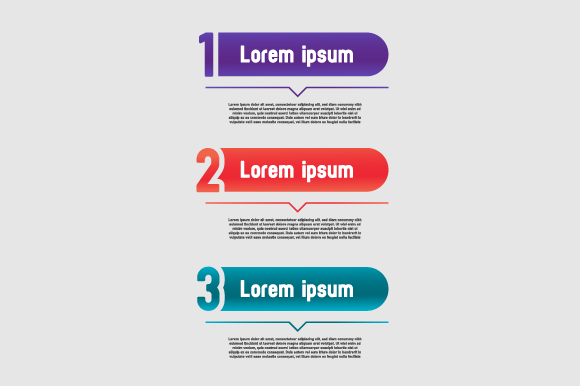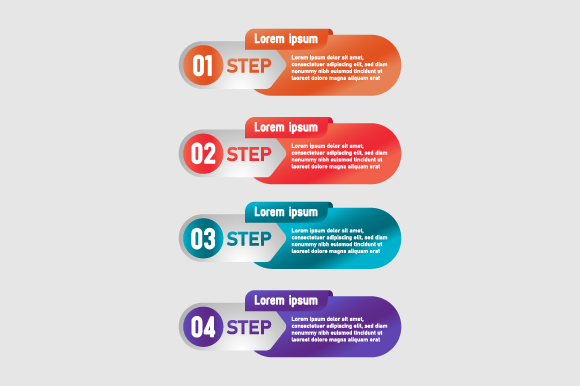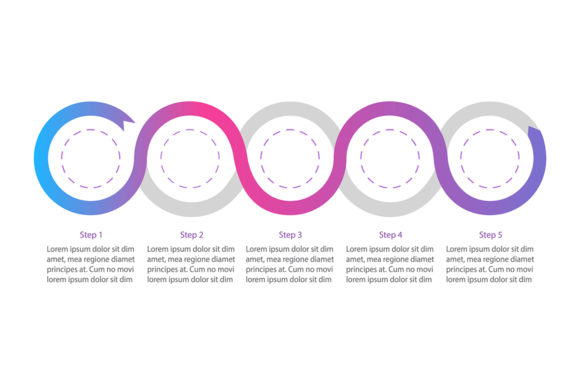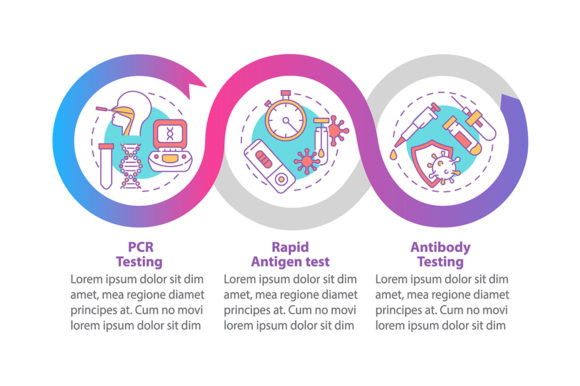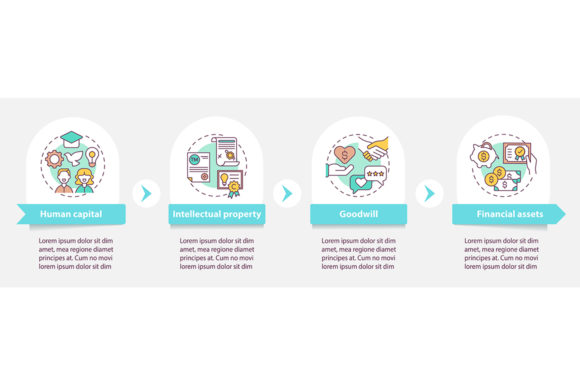
Set of Collection Infographic Banner Design Assets
Visual communication often hinges on the ability to present complex information quickly and attractively. A Set of Collection Infographic Banner serves as a foundational design resource for anyone needing to structure data, timelines, or decorative elements without starting from scratch. Rather than a single static image, this type of asset is typically a curated library of modular graphic components. These collections provide the structural skeleton for presentations, web headers, social media posts, and printed materials, allowing users to assemble professional layouts by combining pre-designed shapes, connectors, and text placeholders.
The value of these banner sets extends beyond simple aesthetics. They function as productivity tools that bridge the gap between raw data and visual storytelling. For decoration and background purposes, they offer texture and visual interest that prevents designs from looking flat or amateurish. However, the true utility lies in their versatility. Because these assets are delivered in multiple formats—including AI, EPS, SVG, JPG, and PNG—they accommodate a wide spectrum of technical abilities and software access. Understanding how to leverage these specific file types is key to maximizing the return on investment for both creative professionals and non-designers alike.
Why File Format Diversity Matters
The inclusion of five distinct file formats ensures that a Set of Collection Infographic Banner remains accessible regardless of your current tech stack or skill level. Each format serves a specific purpose in the design workflow, and knowing when to use which file can save significant time.
- AI (Adobe Illustrator): This is the source file for deep customization. Professional designers prefer AI files because they retain all layers, editable paths, and color profiles. If you need to change the fundamental shape of a banner element or adjust the grid system to fit unique data, this is the format to use.
- EPS (Encapsulated PostScript): A universal vector standard compatible with CorelDRAW, Affinity Designer, and older versions of Illustrator. EPS files ensure that if you switch software or collaborate with a vendor using different tools, the vector integrity remains intact.
- SVG (Scalable Vector Graphics): Essential for web developers and digital marketers. SVGs are code-based vectors that scale infinitely without pixelation on high-DPI screens. They are lightweight, SEO-friendly, and can be animated via CSS, making them ideal for responsive website backgrounds.
- PNG (Portable Network Graphics): The go-to format for transparency. If you need to overlay an infographic banner onto a photograph or a colored slide deck without a white box appearing behind it, PNG is necessary. It supports lossless compression, maintaining crisp edges for text and lines.
- JPG (Joint Photographic Experts Group): Best for quick previews, mood boards, or low-bandwidth environments. While not editable or transparent, JPGs are universally viewable and useful for sharing concepts with clients or stakeholders before final production.
Perspectives Across Different Skill Levels
The application of these design assets shifts dramatically depending on experience. What looks like a simple template to a novice might represent a time-saving base layer to an expert. Recognizing where you fall on this spectrum helps in selecting the right collection.
For Beginners and Non-Designers
If you are a small business owner, student, or administrative professional without formal design training, ease of use is likely your primary metric. You may not have access to Adobe Illustrator, nor the time to learn bezier curves. For this group, the PNG and JPG files within the set are invaluable. Modern tools like Canva, PowerPoint, or Keynote allow you to drag and drop these raster images directly into your projects.
Beginners should look for sets labeled as "decoration and background" because these tend to have more negative space. This whitespace is crucial; it provides safe zones where you can add your own text without accidentally obscuring important graphical elements. The priority here is speed and polish. You aren't trying to reinvent the wheel; you are trying to make a quarterly report or a blog header look competent and clean in under thirty minutes. Evaluating a set based on whether it includes high-resolution PNGs with transparent backgrounds will yield better results than focusing solely on vector editability.
For Professionals and Agencies
Experienced designers, art directors, and freelancers evaluate a Set of Collection Infographic Banner through the lens of flexibility and scalability. You likely already know how to draw a circle or a line, so why buy a pack? The answer is consistency and volume. When managing a rebrand for a client that requires fifty unique social media templates and twenty presentation decks, drawing every element from scratch is inefficient.
Professionals utilize the AI and EPS files to extract individual components. You might take a specific connector style from one banner and a color palette logic from another to build a proprietary design system. The value here is not the finished banner itself, but the modularity of the parts. You are paying for the thought process embedded in the layout—the alignment grids, the typographic hierarchy, and the balanced composition. For this audience, commercial licensing and layer organization are just as important as the visual style. A poorly layered AI file can actually slow down a professional workflow, so checking preview images for logical grouping is a necessary step before acquisition.
Specialized Use Cases for Educators and Marketers
Beyond general design, specific industries derive unique benefits from these collections. Educators and content creators often face the challenge of translating abstract concepts into digestible visuals. A teacher creating lesson plans or an online course creator building curriculum needs infographics that are clear rather than ornate. In this context, the "banner" aspect serves as a framing device for learning objectives. The SVG format becomes particularly relevant here for interactive e-learning modules where graphics must load instantly on school tablets or laptops.
Marketers and bloggers, conversely, prioritize engagement and brand alignment. For them, a Set of Collection Infographic Banner is a tool for reducing bounce rates and increasing dwell time. Visual breaks in long-form content keep readers scrolling. However, marketers must be wary of generic aesthetics. When evaluating a set, consider whether the style matches your brand voice. A corporate financial advisor needs clean, geometric lines and muted blues, while a lifestyle coach might require organic shapes and warm tones. The ability to recolor vector files (AI/EPS/SVG) allows marketers to adapt a single purchase across multiple campaigns, ensuring visual coherence without repetitive labor.
Evaluating Quality and Long-Term Utility
Not all graphic assets are created equal. When determining if a specific set matches your goals, look beyond the thumbnail preview. High-quality collections exhibit certain characteristics that ensure long-term usefulness rather than disposable novelty.
Modularity vs. Rigidity: Test the flexibility mentally. Are the banners composed of separate, movable objects, or are they flattened groups? True utility comes from sets where you can delete a section, stretch a timeline, or swap an icon without breaking the entire layout. Rigid designs limit you to the exact scenario shown in the preview, whereas modular sets adapt to your actual content volume.
Resolution and Scalability: Even if you currently only need web-sized graphics, future-proofing is wise. Ensure the vector files are genuinely vector-based and not traced bitmaps. Zoom in on the preview; if edges appear fuzzy or pixelated at 400%, the file quality is insufficient for print or large-format display. Reliable assets maintain mathematical precision at any scale.
Style Neutrality: The most versatile sets strike a balance between distinctive and neutral. Overly stylized trends (like heavy skeuomorphism or extreme grunge) date quickly. Clean, structural designs tend to have a longer shelf life, allowing you to reuse the same asset pack for years as your content evolves. This is particularly important for entrepreneurs and hobbyists who want to maximize the cost-efficiency of their resource library.
Making the Right Choice for Your Project
Ultimately, the decision to acquire a Set of Collection Infographic Banner should be driven by your immediate output requirements and your long-term asset management strategy. If you are a consumer or hobbyist looking to organize personal data or create a family newsletter, prioritize accessibility and ready-to-use PNGs. If you are a publisher or agency building a scalable visual identity, prioritize well-organized AI/EPS source files and comprehensive licensing.
Consider the nature of your content. Data-heavy reports require structured, grid-based banners with ample room for charts and statistics. Decorative backgrounds for event flyers or social stories require aesthetic flow and color harmony over rigid structure. By aligning the asset’s strengths with your specific friction points—whether that is lack of time, lack of skill, or need for consistency—you transform a simple graphic download into a strategic component of your workflow. The best design resources do not just fill space; they solve problems, clarify messages, and elevate the perceived professionalism of your work regardless of your role.