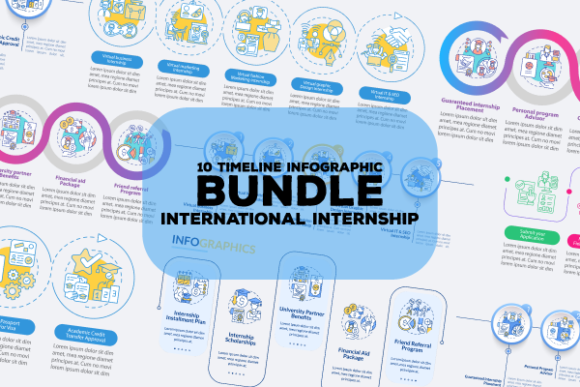
Elevating Career Development Content with the Internship Benefits Infographic Bundle
Communicating the value of an internship program requires more than just a bulleted list of perks. Whether you are a university career counselor, a corporate HR manager, or a student organization leader, the challenge lies in translating abstract opportunities into tangible visual narratives. This is where the Internship Benefits Infographic Bundle becomes an essential asset in your digital toolkit. By leveraging professionally designed vector templates, organizations can transform dry policy documents and benefit sheets into engaging, shareable content that resonates with Gen Z talent and stakeholders alike.
In today’s fast-paced recruitment landscape, attention spans are short, and visual literacy is high. A well-crafted infographic does not merely decorate a page; it structures information logically, guides the viewer through complex processes, and reinforces brand authority. Utilizing a comprehensive template collection ensures that your messaging remains consistent while significantly reducing the hours spent on conceptualization and layout design.
Visualizing the Internship Journey Through Process Timelines
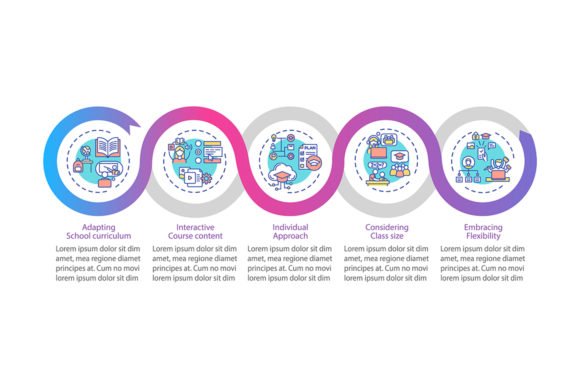
One of the most critical aspects of internship communication is setting clear expectations regarding the timeline and progression of the program. Prospective interns often feel anxious about what their day-to-day experience will look like. The process timeline info chart elements included in this bundle address this need directly. Rather than describing the onboarding, training, mentorship, and evaluation phases in dense paragraphs, designers can map these stages onto a horizontal or vertical flow.
These timeline templates serve a dual purpose. First, they provide transparency, which builds trust with applicants. Second, they act as an internal roadmap for supervisors who need to visualize resource allocation over the internship period. When using the Internship Benefits Infographic Bundle, you can customize these timelines to reflect specific program durations, whether it is a ten-week summer intensive or a six-month co-op rotation. The vector nature of the files means you can extend, shorten, or rearrange nodes without losing resolution or aesthetic coherence.
Data Visualization for Mentorship and Skill Acquisition
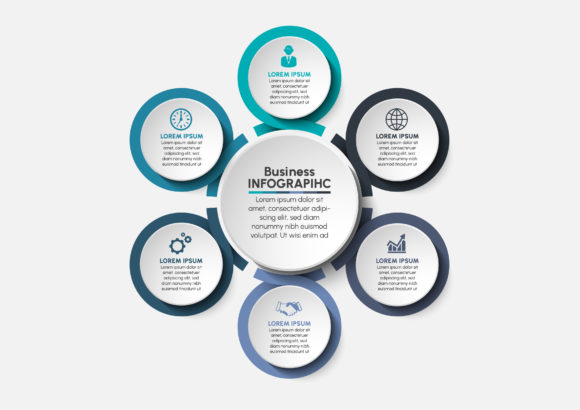
Internships are fundamentally about growth, yet quantifying that growth can be difficult. How do you visually represent "skill acquisition" or "mentorship impact"? The data visualization components within this collection offer creative solutions for displaying qualitative metrics. Instead of standard bar graphs, consider using radial charts, progress indicators, or icon-based statistics to highlight key outcomes such as:
- Retention Rates: Visualizing the percentage of interns converted to full-time employees.
- Skill Mastery: Showing pre-internship versus post-internship competency levels.
- Network Expansion: Illustrating the number of professional connections made during the program.
- Project Completion: Tracking milestones achieved across different departments.
By integrating these data points into your presentations, you move beyond vague promises of "great experience" to evidence-based value propositions. This level of detail is particularly useful when reporting to executive leadership or securing budget approvals for future cohorts.
Structuring Advisor Presentations with Purpose
Personal advisors and career coaches play a pivotal role in guiding students toward suitable opportunities. However, advising sessions can sometimes lack structure, leading to missed talking points or inconsistent advice. The personal advisor presentation outline design elements found in this bundle provide a scaffold for these crucial conversations. These layouts are specifically engineered to break down complex career guidance into digestible segments.
An effective advisor presentation might include slides dedicated to self-assessment, opportunity matching, application strategies, and long-term career mapping. Using pre-designed outlines ensures that every student receives a comprehensive overview, regardless of which advisor they speak with. Furthermore, because these templates are part of the broader Internship Benefits Infographic Bundle, they maintain visual continuity with other recruitment materials, reinforcing the institution's or company's brand identity across all touchpoints.
Workflow Layouts and Line Icon Integration
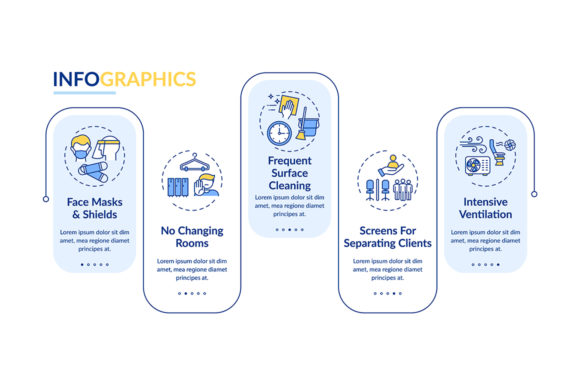
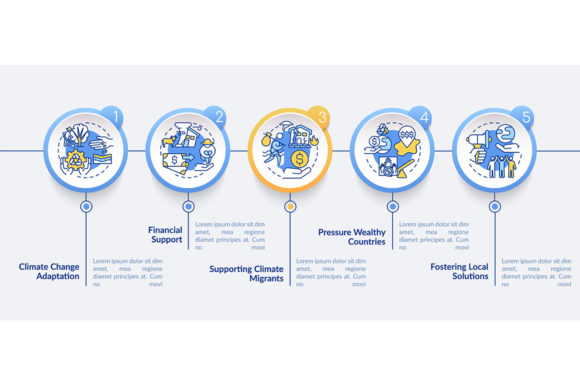
Clarity is king when explaining administrative workflows or daily responsibilities. The workflow layout with line icons offers a clean, modern aesthetic that reduces cognitive load. Line icons are particularly effective in this context because they are lightweight and unobtrusive, allowing the accompanying text to take precedence while still providing visual anchors.
Consider a scenario where you need to explain the reimbursement process for intern travel expenses or the protocol for submitting weekly reflection journals. A cluttered diagram can confuse users and generate unnecessary support tickets. Conversely, a streamlined workflow layout using consistent iconography makes the process feel manageable and accessible. These icons are fully editable vectors, meaning you can swap generic symbols for industry-specific imagery—changing a briefcase to a stethoscope for medical internships or a code bracket for tech placements—without compromising the design integrity.
Technical Versatility Across File Formats
A major practical consideration when selecting design assets is compatibility with existing workflows. Design teams operate in diverse ecosystems, and a template bundle must accommodate various software preferences and output requirements. This collection delivers exceptional flexibility by providing files in JPEG, AI, PNG, EPS, and SVG formats.
Understanding when to use each format is key to maximizing efficiency:
- AI (Adobe Illustrator) & EPS: These are your master source files. Use them for heavy customization, rebranding, or creating new variations of the templates. They retain all layer information and vector paths.
- SVG (Scalable Vector Graphics): Essential for web-based infographics. SVGs remain crisp on any screen size and can be animated via CSS or JavaScript, making them perfect for interactive career pages or mobile app screens.
- PNG: Ideal for transparent backgrounds. Use these when overlaying infographic elements onto photos, colored slides, or existing brochure templates without worrying about white boxes around the graphics.
- JPEG: Best for quick sharing via email, social media, or internal messaging platforms where file size and universal compatibility matter more than editability.
This multi-format approach ensures that whether you are designing a print brochure for a career fair or a digital slide deck for a Zoom webinar, you have the appropriate asset ready to go.
Streamlining Production with BSD Studio Resources
Time is often the scarcest resource in HR and education marketing. Creating high-quality infographics from scratch can take days of iteration. The primary value proposition of the Internship Benefits Infographic Bundle is the dramatic reduction in production time without sacrificing professional quality. By starting with a polished foundation, designers and non-designers alike can focus on content accuracy and strategic messaging rather than pixel-pushing.
Beyond this specific bundle, maintaining a relationship with a reliable resource provider like BSD studio offers long-term operational benefits. Their catalog extends far beyond internship visuals, encompassing icons, brochure templates, mobile app screen pages, and diverse infographic elements. This breadth allows teams to maintain a cohesive visual language across disparate projects. When you know you can find matching assets for a recruitment email campaign, an onboarding handbook, and an annual report in one place, project planning becomes significantly smoother.
Adapting Templates for Diverse Audiences
While the core structure of these templates is fixed, their application should be fluid. Different audiences require different emphases. For example, when targeting first-generation college students, you might prioritize infographics that demystify corporate culture and explain professional norms. When addressing parents or guardians, the focus might shift to safety, supervision, and academic credit transferability.
The modularity of vector templates supports this audience segmentation. You can duplicate a base layout and adjust the color palette, typography weight, and icon selection to signal a shift in tone or topic. This adaptability makes the bundle a sustainable investment rather than a single-use solution. As internship programs evolve to include remote work options, hybrid models, or micro-internships, your visual assets can evolve in tandem simply by updating the content within these flexible frameworks.
Ultimately, effective visual communication bridges the gap between organizational intent and candidate understanding. By utilizing specialized tools like the Internship Benefits Infographic Bundle, professionals can ensure that the transformative potential of internship programs is articulated clearly, attractively, and efficiently. In a competitive talent market, the ability to present information with clarity and style is not just a design preference—it is a strategic advantage.