Evaluating Urban Gardening Flat Color Vector Assets for Design Projects
Selecting the right visual assets is a critical step in communicating sustainability and community agriculture concepts effectively. When researching design resources for city farming initiatives, educational materials, or municipal advertising, the Urban Gardening Flat Color Vector style frequently emerges as a primary candidate. This aesthetic combines modern minimalism with approachable illustration techniques to convey complex environmental topics without visual clutter. Understanding the specific utility, technical specifications, and strategic application of these vector templates allows designers and project managers to make informed decisions about whether this asset class aligns with their current communication goals.
Defining the Urban Gardening Flat Color Vector Aesthetic
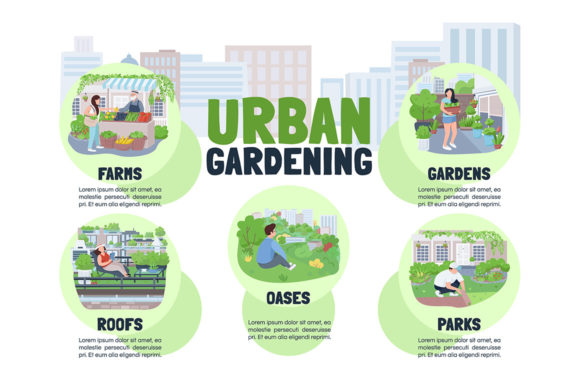
The term refers to a specific subset of digital illustration characterized by solid blocks of color, clean geometric lines, and an absence of gradients or realistic textures. In the context of urban agriculture, these vectors typically depict stylized representations of rooftop gardens, vertical planters, community plots, and diverse cartoon characters engaging in planting or harvesting activities. Unlike photorealistic stock imagery, flat color vectors prioritize clarity and scalability over detail.
This design language serves a functional purpose beyond mere decoration. The simplified forms ensure that key messages remain legible even at small sizes, such as on mobile screens or printed leaflets. Furthermore, the inclusion of cartoon characters within these templates adds a human element that fosters emotional connection, making technical subjects like hydroponics or composting feel accessible to general audiences rather than exclusive to agricultural experts.
Strategic Applications and Use Cases
Evaluators should consider where this visual style performs best. The versatility of the Urban Gardening Flat Color Vector format makes it particularly strong for specific deliverables:
- Informational Infographic Templates: Complex data regarding crop yields, water usage, or seasonal planting calendars requires visual hierarchy. Flat vectors provide distinct containers for data points, allowing viewers to process statistics quickly without being overwhelmed by photographic noise.
- Farms Posters and Booklets: For educational handouts distributed at community centers or schools, consistency is key. Vector packs often include cohesive character sets and iconography that maintain brand identity across multiple pages of a booklet or a series of posters.
- PPT Page Concept Designs: Presentations to city councils or stakeholders benefit from professional yet engaging visuals. These templates offer pre-arranged layouts that balance text and imagery, reducing the time required to create polished slide decks.
- City Parks Advertising Flyers and Banners: Outdoor signage demands high contrast and immediate readability. The bold color palettes inherent in flat design ensure that information remains visible from a distance and under varying lighting conditions.
Technical Considerations and File Formats
A significant factor in selecting a digital asset package is technical compatibility. Comprehensive vector packs typically arrive as a ZIP file containing multiple formats, each serving a distinct workflow requirement. Evaluating the contents ensures long-term usability:
- AI and EPS: These are source files intended for Adobe Illustrator or compatible vector software. They allow for infinite scaling and complete customization of colors, shapes, and character features. If your team needs to alter skin tones, clothing colors, or plant types to match specific branding guidelines, access to these editable layers is non-negotiable.
- SVG: Scalable Vector Graphics are essential for web-based projects. Unlike raster images, SVGs retain crisp edges on high-resolution displays and can be animated via CSS. This format is ideal for interactive infographics or responsive website headers.
- JPG and PNG: While less flexible, these raster formats provide immediate utility for quick mockups, internal presentations, or platforms that do not support vector uploads. PNGs with transparent backgrounds are particularly useful for overlaying illustrations onto colored layouts.
Before acquisition, verify that the vector nodes are clean and organized. Poorly constructed vectors can be difficult to edit, negating the primary advantage of choosing this format over static imagery.
Benefits of Choosing Flat Vector Illustrations
The decision to utilize flat color vectors often stems from practical advantages in production and communication. First, these assets are inherently inclusive. Cartoon characters in flat styles can be easily modified to represent diverse demographics, ensuring that community gardening materials reflect the actual population they serve. Second, the timeless nature of flat design prevents materials from appearing dated quickly, extending the shelf life of printed booklets and evergreen web content.
From a production standpoint, vectors offer unmatched efficiency. Adjusting a color palette to match a new campaign takes minutes rather than hours of photo retouching. Additionally, file sizes for SVG and EPS formats are generally smaller than high-resolution photography, contributing to faster page load times and better SEO performance for digital publications focused on urban gardening.
Tradeoffs and Limitations
Despite their utility, flat color vectors are not universally appropriate. It is vital to recognize situations where this style may fall short. The abstraction inherent in flat design can sometimes obscure botanical accuracy. If the goal is to teach identification of specific plant species or demonstrate precise pruning techniques, the simplified shapes of a cartoon vector may be insufficient or misleading. In such cases, scientific illustration or high-quality photography provides necessary detail that stylized art cannot replicate.
Furthermore, there is a risk of generic aesthetics. Because flat vector packs are widely available, overuse can lead to a homogeneous look across different organizations. Without significant customization, materials may inadvertently resemble those of other entities, diluting brand distinctiveness. Teams must assess whether they have the design resources to modify base templates sufficiently to establish a unique visual voice.
When to Consider Alternatives
Evaluators should weigh the Urban Gardening Flat Color Vector against other visual strategies based on project objectives. If the target audience consists primarily of serious horticulturists or commercial farmers, a more technical or realistic aesthetic may command greater respect and trust. Similarly, campaigns focused on the sensory experience of nature—smell, texture, taste—often require the visceral impact of photography to evoke the desired emotional response.
Isometric illustrations represent another alternative worth considering. While still vector-based, isometric views offer a three-dimensional perspective that can better explain spatial relationships in vertical farming systems or garden layout planning. If the primary communication challenge involves demonstrating how components fit together physically, isometric designs may outperform standard flat perspectives.
Making the Final Selection Decision
Determining whether to proceed with a flat color vector template requires aligning visual capabilities with communication needs. Create a checklist based on the following criteria:
- Audience Expertise Level: Is the content introductory and awareness-based (favoring vectors) or technical and instructional (favoring realism)?
- Customization Capacity: Does the team possess the software and skills to edit AI/EPS files, or will they rely solely on pre-made JPG/PNG outputs?
- Longevity Requirements: Will the material be updated seasonally, requiring easy asset swapping, or is it a one-time publication?
- Brand Alignment: Does the cheerful, simplified tone of cartoon characters match the organizational voice, or does it conflict with a more formal institutional identity?
By systematically evaluating these factors, stakeholders can move beyond aesthetic preference to select visual assets that genuinely support their urban gardening initiatives. The Urban Gardening Flat Color Vector style offers a robust solution for many informational and promotional contexts, provided its limitations are understood and its strengths are leveraged intentionally. Ultimately, the value of any design asset lies not in its trendiness, but in its ability to facilitate clear, effective communication with the intended audience.