Evaluating Workspace Wellbeing Practices for Organizational Health
Workspace wellbeing practices encompass a strategic approach to employee health that extends beyond basic safety compliance. This concept integrates physical ergonomics, mental health support, environmental design, and cultural policies to create a sustainable work environment. When organizations evaluate these practices, they are often looking at specific frameworks or visual tools, such as vector infographic templates, to communicate complex data regarding meditation programs, transport initiatives, and workflow optimizations. Understanding the scope and application of these practices is essential for decision-makers aiming to improve retention, productivity, and overall organizational resilience.
Defining the Scope of Modern Wellbeing Frameworks
At its core, workspace wellbeing is a multidisciplinary field. It is not limited to standalone perks like yoga classes or fruit bowls; rather, it represents a systemic integration of health into daily operations. For professionals researching this topic, it is important to distinguish between superficial wellness trends and evidence-based practices. Effective frameworks often utilize structured communication tools to standardize how health initiatives are presented and measured.
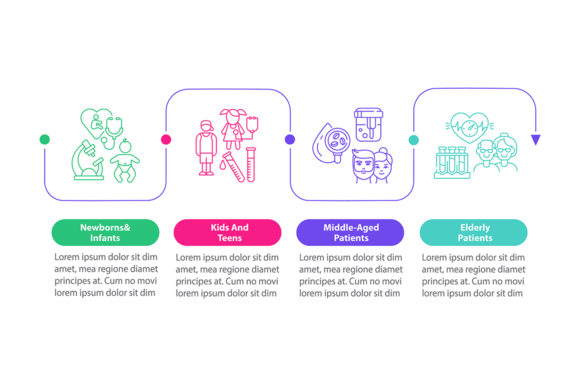
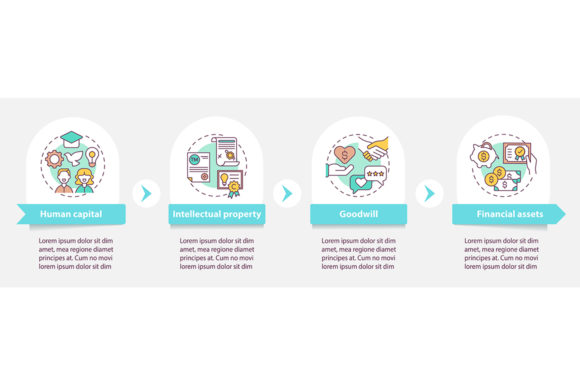
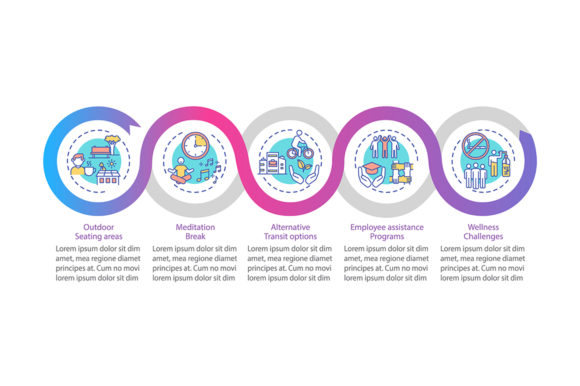
For example, when implementing a new mindfulness protocol, organizations frequently rely on standardized visual assets. A comprehensive workspace wellbeing practices vector infographic template serves as more than just decoration; it acts as a cognitive aid that simplifies abstract concepts. These templates typically include specific design elements relevant to corporate health, such as meditation iconography, transport presentation graphics for commuting incentives, and linear icons representing workflow layouts. By utilizing scalable vector formats, companies ensure that their internal communications remain professional and consistent across digital and print mediums.
Strategic Drivers for Adoption
The interest in formalized wellbeing practices usually stems from identifiable organizational pain points. Decision-makers typically evaluate these systems in response to rising burnout rates, high turnover costs, or decreased engagement scores. However, proactive organizations also adopt these practices as a talent acquisition strategy. In a competitive labor market, a clearly articulated wellbeing framework signals to prospective employees that the organization values long-term sustainability over short-term output.
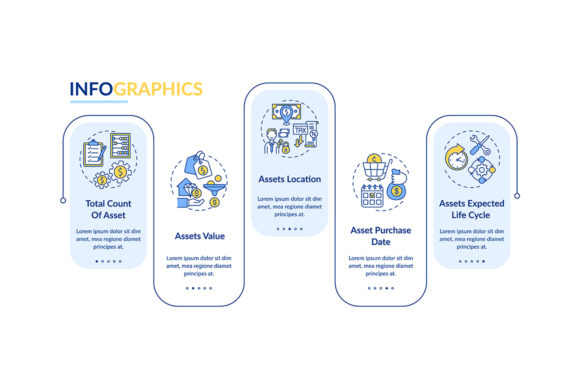
Furthermore, the need for clear data visualization drives the adoption of structured templates. Stakeholders require digestible metrics to justify budget allocations. A process timeline chart or a five-step data visualization model allows HR leaders to map out the implementation journey clearly. Instead of presenting dense text reports, these visual tools help illustrate the progression from initial assessment to full integration, making the business case for wellbeing tangible and trackable.
Benefits and Measurable Outcomes
When implemented correctly, workspace wellbeing practices yield significant returns. Research consistently correlates robust wellbeing programs with reduced absenteeism and lower healthcare costs. Beyond financial metrics, there is a marked improvement in cognitive performance and creative problem-solving among employees who feel supported. Visualizing these benefits through structured infographics helps maintain stakeholder buy-in during the evaluation phase.
The use of professional design assets also enhances internal marketing efforts. When employees encounter well-designed materials featuring calming colors and clear linear icons, it reinforces the psychological safety the program aims to promote. High-quality vectors in EPS, AI, or SVG formats allow internal design teams to customize these messages without losing fidelity, ensuring that the aesthetic quality of the communication matches the quality of the care being offered.
Tradeoffs and Implementation Considerations
Despite the clear advantages, adopting comprehensive wellbeing practices involves tradeoffs. The primary consideration is resource allocation. Developing, launching, and maintaining these programs requires time, budget, and personnel. There is also the risk of initiative fatigue if programs are introduced too rapidly or without adequate change management. Using a five-step data visualization approach can mitigate this by pacing the rollout and setting realistic expectations for each phase of development.
Another critical consideration is privacy and trust. Employees may view monitoring or participation tracking with skepticism. Organizations must balance the desire for data-driven insights with the need for psychological safety. Transparent communication, often facilitated by clear workflow layout diagrams, helps demystify how data is collected and used. Additionally, technical compatibility matters. Ensuring that visual assets are available in versatile file types like JPG and PNG alongside editable source files ensures that non-designers can still access and share information without creating bottlenecks.
Situational Fit: When to Prioritize Wellbeing Systems
Workspace wellbeing practices are particularly strong fits for organizations undergoing significant transition. Mergers, acquisitions, remote work shifts, or return-to-office mandates create uncertainty that wellbeing frameworks can help stabilize. In these scenarios, standardized visual templates provide a sense of continuity and structure. Industries with high emotional labor demands, such as healthcare, education, and customer service, also benefit disproportionately from structured mental health supports like guided meditation protocols integrated into the workday.
Organizations with distributed teams should also prioritize these practices. Remote workers often lack the organic social cues of an office, making intentional wellbeing communication vital. Vector-based infographic templates are ideal here, as they are lightweight, easily shared via email or intranet, and render perfectly on various screen sizes, ensuring remote staff receive the same quality of information as on-site employees.
Evaluating Alternatives and Complementary Approaches
While structured wellbeing practices are valuable, they are not universally the immediate solution. For small startups with limited budgets, investing in premium design templates or comprehensive software platforms may be premature. In such cases, low-cost alternatives like flexible scheduling or simple policy changes may offer better ROI initially. Similarly, organizations with toxic leadership cultures will find that no amount of meditation graphics or wellness apps can compensate for poor management. In these instances, leadership training and cultural remediation must precede wellbeing programming.
It is also worth considering whether bespoke design is necessary versus using pre-made templates. While custom illustrations offer unique branding, high-quality vector templates containing essential elements like transport charts and process timelines often provide sufficient utility at a fraction of the cost and time. Evaluators should assess their internal design capacity before deciding to build from scratch.
Practical Decision-Making Insights
Selecting the right approach to workspace wellbeing requires aligning resources with organizational maturity. Decision-makers should start by auditing current pain points and employee sentiment. If the goal is to launch a pilot program, utilizing a ready-made vector infographic template with editable AI and EPS files allows for rapid iteration and testing without heavy upfront investment. Look for assets that specifically include the five-step data visualization and workflow layouts needed to explain processes clearly.
Ultimately, the value of workspace wellbeing practices lies in their execution, not just their presentation. Visual tools facilitate understanding, but culture drives results. When evaluating vendors, templates, or consultants, prioritize those that emphasize measurable outcomes and employee feedback loops over aesthetic novelty. Ensure that any selected resources support a holistic view of health, integrating physical, mental, and logistical elements like transport and workflow into a cohesive narrative. By taking a balanced, evidence-based approach to evaluation, organizations can build wellbeing systems that are both sustainable and genuinely supportive of their workforce.