Evaluating Addiction Treatment Methods for Informed Care Decisions
Selecting the appropriate path for recovery is a complex decision that requires careful evaluation of clinical evidence, personal needs, and available resources. Addiction treatment methods encompass a broad spectrum of therapeutic interventions, medical protocols, and behavioral strategies designed to address substance use disorders and co-occurring mental health conditions. For individuals researching options, whether for themselves or a loved one, understanding the distinctions between these methodologies is essential. This evaluation process often involves reviewing structured data and visual aids, such as therapy presentation outlines and process timeline info charts, to clarify how different programs operate and what outcomes can be realistically expected.
Defining the Scope of Modern Treatment Methodologies
Addiction treatment methods are not monolithic; they represent a collection of evidence-based practices tailored to specific stages of recovery. At their core, these methods aim to modify behaviors, manage physiological dependence, and treat underlying psychological drivers. When evaluating these approaches, it is helpful to categorize them into distinct phases. Medical detoxification addresses acute withdrawal, while residential and outpatient therapies focus on long-term behavioral change. Pharmacotherapy may be integrated to reduce cravings or treat dual diagnoses.
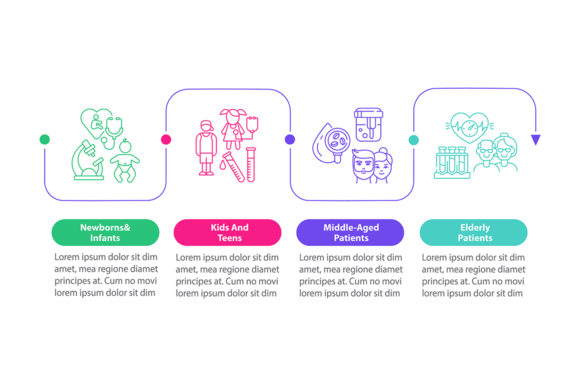
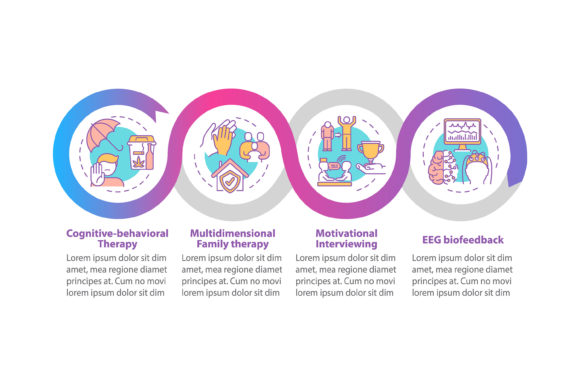
Professionals often utilize workflow layouts with line icons to map these interventions visually. These design elements serve a functional purpose beyond aesthetics; they break down complex clinical pathways into digestible components. A data visualization with 4 steps, for example, might illustrate the progression from assessment and stabilization to active therapy and aftercare planning. Understanding this structural framework helps researchers determine if a specific program offers a comprehensive continuum of care or merely isolated services.
Key Reasons for Evaluating Specific Treatment Models
Interest in specific addiction treatment methods typically stems from a need to match clinical intensity with individual circumstances. One primary driver is the presence of co-occurring disorders. Standard counseling may be insufficient for someone experiencing severe trauma alongside substance use; in such cases, integrated dual-diagnosis treatment becomes a priority. Another significant factor is previous treatment history. Individuals who have experienced relapse after traditional 12-step facilitation may seek out alternative modalities like Cognitive Behavioral Therapy (CBT), Dialectical Behavior Therapy (DBT), or SMART Recovery to find a better cognitive fit.
Logistical constraints also drive the evaluation process. The availability of an addiction treatment methods vector infographic template in professional settings highlights the importance of communicating these logistical workflows clearly. Families and patients must assess whether intensive outpatient programs (IOP) can accommodate work schedules or if residential care is necessary for safety. Evaluating these practical considerations early prevents disruptions in care and aligns expectations with reality.
Benefits, Tradeoffs, and Clinical Expectations
Every treatment modality carries inherent benefits and tradeoffs. Evidence-based behavioral therapies offer strong empirical support for preventing relapse and building coping skills. However, they require active participation and cognitive engagement, which can be challenging during early recovery when brain fog or emotional dysregulation is present. Medication-Assisted Treatment (MAT) significantly reduces mortality rates and stabilizes neurochemistry, yet it sometimes faces stigma or requires long-term maintenance that some individuals wish to avoid.
Expectations must be calibrated against clinical realities. Recovery is rarely linear, despite the clean lines of a process timeline info chart. While visual aids depict a sequential workflow, actual treatment often involves cycling back through earlier stages. Effective programs acknowledge this non-linearity. When comparing providers, look for those that articulate clear metrics for success beyond simple abstinence, such as improved psychosocial functioning, employment stability, and relationship repair. A balanced evaluation recognizes that the most rigorous clinical method is only effective if the patient remains engaged in the process.
Situations Where Structured Methods Are a Strong Fit
Certain scenarios strongly favor structured, multi-disciplinary addiction treatment methods. High-acuity cases involving polysubstance use, unstable living environments, or imminent safety risks typically require the containment and monitoring of residential care. Similarly, professionals in high-stress careers may benefit from specialized tracks that address occupational burnout alongside addiction. These targeted approaches use specific therapy presentation outline design elements to tailor content to the unique stressors of that demographic.
Adolescents and young adults also represent a population where specialized methods are critical. Developmental differences necessitate family systems therapy and educational advocacy that adult-focused programs do not provide. In these instances, the workflow layout of the treatment program should explicitly include family sessions and academic coordination. Evaluating whether a program has dedicated infrastructure for these specific needs is more valuable than assessing its general reputation.
When to Consider Alternative Approaches
There are situations where standard clinical addiction treatment methods may not be the optimal first step. Individuals with mild substance use issues and strong social support networks might achieve remission through mutual-help groups or brief interventions without entering formal clinical treatment. Over-treatment can sometimes be counterproductive, creating unnecessary dependency on the healthcare system or exposing low-risk individuals to higher-risk peer environments.
Additionally, cultural and spiritual alignment plays a vital role in retention. If a clinical model feels alienating or culturally incongruent, alternatives rooted in community traditions, indigenous healing practices, or faith-based recovery may yield better engagement. The decision-making process should weigh clinical efficacy against cultural safety. Sometimes, a hybrid approach that combines clinical oversight with community-based support offers the most sustainable path forward.
Practical Decision-Making Insights for Researchers
Making a final selection requires synthesizing qualitative and quantitative data. Start by verifying accreditation and licensure, ensuring the facility adheres to established standards of care. Review the specific modalities offered rather than generic descriptions. Ask direct questions about staff-to-patient ratios, the integration of medical and clinical teams, and the protocols for handling relapse during treatment.
Utilize available visual resources to aid comparison. An addiction treatment methods vector infographic template can help visualize the differences between program structures, making abstract concepts concrete. Compare the proposed treatment plan against the 4-step data visualization models to ensure no critical phase of recovery is overlooked. Ultimately, the goal is to select a method that respects the complexity of the individual while providing a structured, evidence-based framework for change. By approaching the evaluation with objectivity and focusing on alignment between patient needs and program capabilities, researchers can make informed decisions that support long-term recovery outcomes.