Branding Materials Vector Template: Practical Assets for Visual Identity and Process Communication
A Branding Materials Vector Template is more than just a collection of editable graphics; it is a foundational toolkit for establishing visual consistency across business communications. For entrepreneurs, marketers, and designers, these templates serve as a bridge between abstract brand strategy and tangible visual assets. Unlike raster images that lose quality when resized, vector-based branding materials maintain crisp edges and perfect clarity whether they are printed on a business card or displayed on a massive conference banner. This scalability is essential for modern workflows where content must adapt instantly to social media feeds, pitch decks, website headers, and physical merchandise without requiring multiple redesigns.
The true value of these resources lies in their ability to standardize complex information. When you utilize a branding materials vector infographic template, you are not merely decorating a page; you are structuring data in a way that aligns with your corporate identity. This ensures that every internal memo, client proposal, and educational handout reinforces brand recognition. For freelancers and small business owners who lack dedicated design teams, these templates provide professional-grade structure that would otherwise be cost-prohibitive to commission from scratch.
Visualizing Workflows with Branded Uniform Presentation Outlines
One of the most frequent challenges in professional communication is explaining processes clearly without overwhelming the audience with text. A branded uniform presentation outline solves this by providing a pre-structured layout that integrates your color palette and typography directly into the diagrammatic elements. Instead of pasting a generic flowchart into a slide deck and hoping it matches your theme, these outlines ensure that every box, arrow, and connector adheres to your specific brand guidelines.
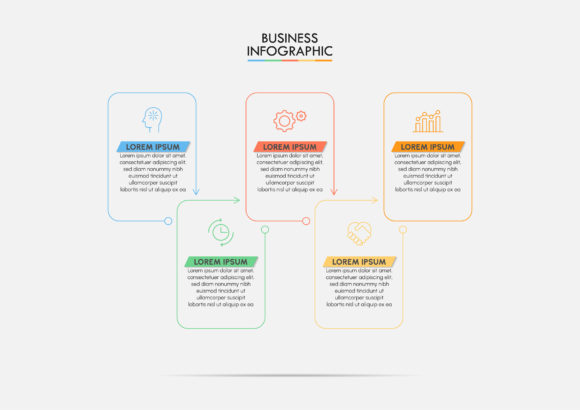
Consider a scenario where an operations manager needs to onboard new employees. Using a workflow layout with line icons allows them to map out standard operating procedures visually. Line icons are particularly effective here because they offer detail without visual weight, keeping the focus on the process rather than the decoration. When these icons are part of a unified vector template, the training materials look cohesive and authoritative. This attention to detail signals professionalism to new hires and reduces cognitive load, making it easier for them to absorb and retain procedural information.
Data Visualization with 5 Steps: Simplifying Complex Narratives
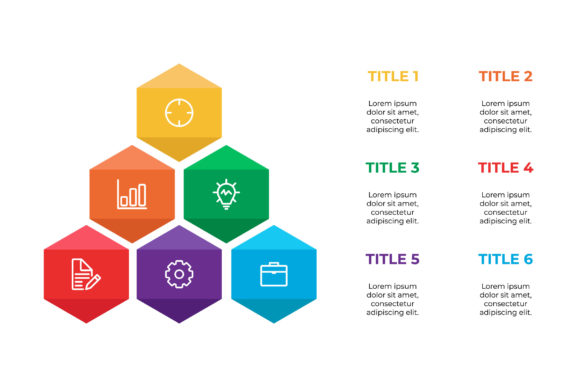
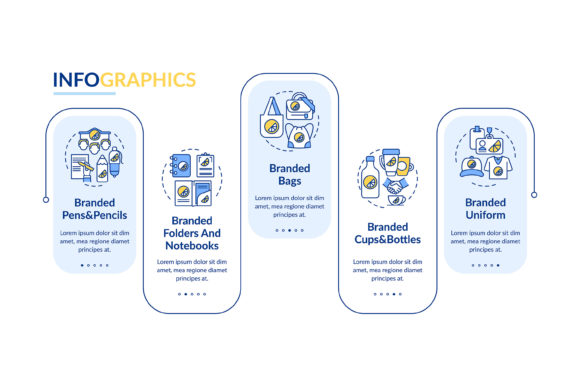
Breaking down information into digestible chunks is a core principle of effective design. Data visualization with 5 steps is a specific template configuration that addresses the human brain’s preference for structured lists. Whether you are outlining a project roadmap, explaining a service tier system, or presenting quarterly growth metrics, a five-step framework provides enough room for nuance without causing fatigue.
In practice, this format is invaluable for digital marketers creating carousel posts for LinkedIn or Instagram. Each slide can represent one step of a methodology, using consistent vector shapes and branded colors to create a seamless scrolling experience. Similarly, educators and trainers use this format to create handouts that summarize key learning objectives. Because the template is vector-based, instructors can easily adjust the text length or swap out icons to fit different subjects while maintaining a recognizable course aesthetic. The constraint of five steps forces clarity, ensuring that only the most critical information makes it to the final design.
Process Timeline Info Charts for Project Management and History
Timelines are ubiquitous in business, yet they are often poorly executed. A process timeline info chart within a branding materials vector template transforms a boring chronological list into a dynamic visual story. These charts are designed to show progression, dependencies, and milestones in a way that static text cannot. For project managers, this means being able to present Gantt-style overviews to stakeholders that are both informative and visually aligned with company branding.
Beyond project management, these timelines serve historical and narrative purposes. Non-profits might use them to showcase organizational impact over a decade, while tech startups might use them to illustrate product development cycles during investor pitches. The vector nature of these charts allows users to extend or compress the timeline as needed. If a project scope changes or a new milestone is added, the designer can simply add another node to the existing path without redrawing the entire graphic. This flexibility is crucial in fast-paced environments where accuracy and speed are equally important.
Real-World Applications Across Diverse Sectors
The versatility of branding materials vector templates extends far beyond traditional corporate boardrooms. Understanding where and why different users apply these assets reveals their broader utility:
- Freelancers and Consultants: Independent professionals use these templates to create proposals and invoices that rival large agencies. A cohesive visual identity helps justify premium pricing and builds trust with prospective clients who equate design quality with service quality.
- Educators and Academic Institutions: Teachers use infographic templates to turn dense textbook concepts into engaging visual aids. University administrators apply branded outlines to annual reports and alumni newsletters to maintain institutional prestige.
- Content Creators and Bloggers: Digital creators leverage workflow layouts to explain tutorials or reviews. Consistent visual branding across blog posts and YouTube thumbnails helps build a loyal audience and improves content discoverability.
- Small Business Owners: From local cafes to boutique retailers, owners use these assets for menu designs, loyalty cards, and seasonal promotions. Having a master vector file ensures that marketing materials remain consistent even when produced by different print vendors.
- Internal Corporate Teams: HR departments utilize process timelines for benefits enrollment guides, while sales teams use 5-step data visualizations to compare product features against competitors.
Navigating File Formats: JPG, EPS, PNG, SVG, and AI
Selecting the right file type is as important as choosing the design itself. A comprehensive branding materials vector template package typically includes multiple formats, each serving a distinct purpose in the production workflow. Understanding these differences prevents technical headaches downstream.
AI (Adobe Illustrator) and EPS files are the source masters. These are fully editable vector formats that allow for unlimited scaling and deep customization. Designers should always keep these files archived as the single source of truth. SVG files are optimized for web use; they are code-based vectors that render sharply on all screen sizes and can be animated with CSS, making them ideal for websites and apps. PNG files support transparency and are best for overlaying branding elements onto photos or colored backgrounds in presentations and social media. JPG files are compressed raster images suitable for quick previews or low-resolution proofs but should generally be avoided for final production branding materials due to quality loss.
Strategic Considerations Before Implementation
Before downloading or purchasing a branding materials vector template, users must evaluate compatibility and licensing. Ensure the template works with your available software; while AI is industry standard, some templates now offer Figma or Canva-compatible versions. Check the license terms carefully, especially if you plan to use the assets for client work or commercial products. Some licenses restrict usage to personal projects or require attribution.
Additionally, consider the level of customization required. A template that is too rigid may force you to compromise your brand identity, while one that is too loose may require more design skill than you possess. Look for templates with organized layers, clear naming conventions, and included documentation. The goal is to accelerate your workflow, not create new technical debt. Finally, assess whether the visual style of the template aligns with your long-term brand direction. Trendy designs may look fresh today but could date your materials quickly. Opting for clean, structural designs like line icon workflows and minimalist timelines often provides better longevity and return on investment.