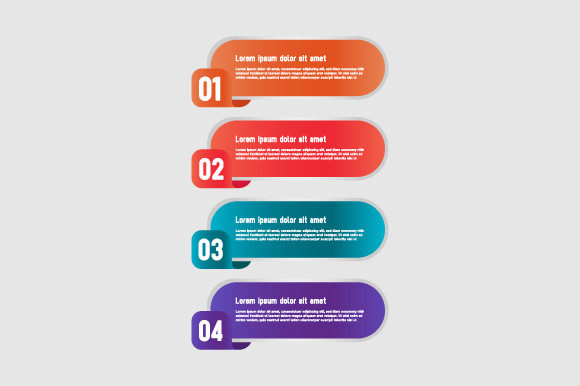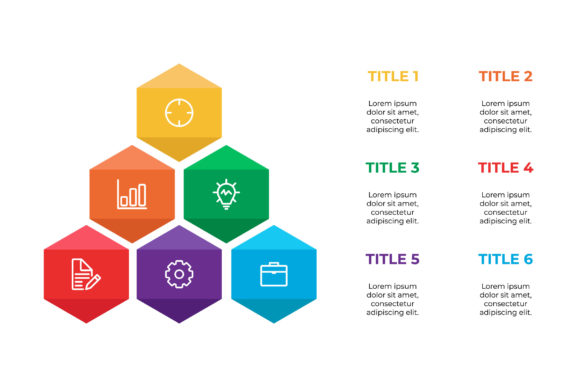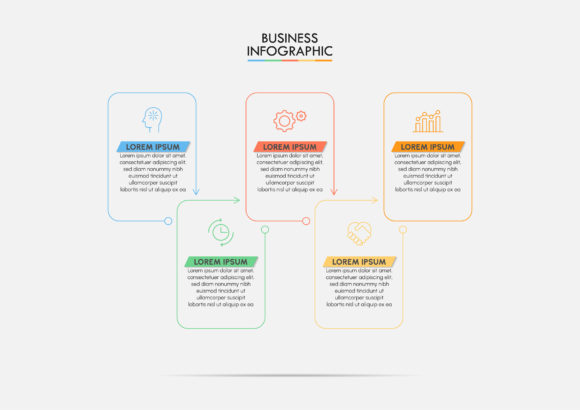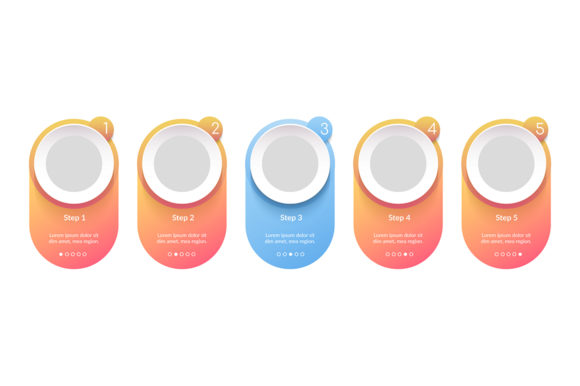
Creative Gradient Infographic Template for Visual Impact
In an era where digital attention spans are measured in milliseconds, the ability to convey complex information quickly is a defining skill for modern professionals. The Creative Gradient Infographic Template serves as more than just a decorative asset; it functions as a strategic communication tool designed to bridge the gap between raw data and audience understanding. By combining aesthetic appeal with structural clarity, this template type addresses a common pain point in business and educational presentations: the struggle to make process-oriented content engaging without sacrificing readability.
At its core, a creative gradient vector infographic template provides a pre-structured visual hierarchy. Rather than starting from a blank canvas, users leverage established design principles that guide the viewer’s eye through a logical narrative. The specific focus on minimal presentation design elements with ample text space ensures that the visual style supports the message rather than competing with it. This balance is critical for entrepreneurs, educators, and marketers who need to maintain brand professionalism while utilizing contemporary design trends like color gradients to create depth and interest.
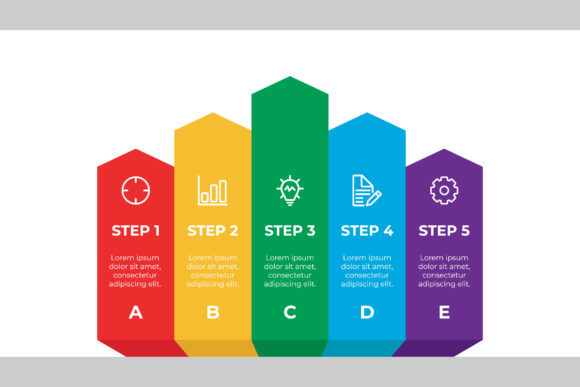
Streamlining Complex Workflows with Five-Step Visualization
One of the most practical applications of this template category is the visualization of sequential processes. Data visualization with 5 steps offers a cognitive sweet spot for audiences, allowing them to digest distinct phases of a project, product launch, or educational curriculum without feeling overwhelmed. When you utilize a process timeline chart within this framework, you are essentially providing a mental map for your stakeholders.
Consider a freelance consultant explaining a new onboarding strategy to a client. A dense paragraph describing five distinct phases often leads to miscommunication or disengagement. By mapping these phases onto a Creative Gradient Infographic Template, the consultant transforms abstract concepts into tangible milestones. The gradient background acts as a subtle directional cue, implying forward momentum and progress. This is particularly effective for workflow layouts with copyspace, as it allows the professional to customize each step with specific deliverables or KPIs relevant to that client, ensuring the visual aid remains grounded in practical reality rather than generic stock imagery.
Maximizing Efficiency Through Versatile File Formats
For busy creators and small business owners, time is often the scarcest resource. The technical composition of these templates directly impacts operational efficiency. A high-quality ZIP file contains EPS, JPG, PNG, and SVG formats to address diverse output needs without requiring constant redesigns. Understanding when to use each format is essential for maintaining quality across different platforms.
- EPS (Encapsulated PostScript): This vector format is indispensable for print materials and large-scale displays. Because it is mathematically defined rather than pixel-based, you can scale the infographic to the size of a billboard or shrink it to a business card without any loss of fidelity. It also allows for deep editing of colors and shapes in software like Adobe Illustrator.
- SVG (Scalable Vector Graphics): Essential for web-based presentations and responsive design. SVGs maintain crisp edges on high-resolution retina screens and can be animated via CSS if needed. They keep file sizes low compared to raster images, supporting faster page load times which is vital for SEO and user experience.
- PNG (Portable Network Graphics): The standard for digital sharing, social media, and embedding in documents where transparency is required. PNGs preserve the smooth transitions of gradient backgrounds better than JPEGs, avoiding unsightly banding artifacts.
- JPG (Joint Photographic Experts Group): Best suited for quick previews, email newsletters, or environments where file size is strictly limited. While less ideal for sharp text or vector lines, it ensures universal compatibility across all devices and legacy systems.
Having immediate access to this suite of formats means a marketing team can repurpose a single Creative gradient vector infographic template for a LinkedIn post, a printed annual report, and a website landing page within minutes, significantly reducing production overhead.
Balancing Aesthetics with Functional Copyspace
A frequent failure in infographic design is the prioritization of artistic flair over legibility. Minimal presentation design elements with text space are not merely a stylistic choice; they are a usability requirement. Gradients, by their nature, draw attention and create emotional resonance, but they can also reduce contrast if not managed correctly. Professional templates solve this by integrating designated "safe zones" or copyspace areas where text remains perfectly readable against the background.
This feature is particularly valuable for educators and trainers creating learning materials. When explaining a scientific process or a historical timeline, the text must take precedence. The template provides the visual hook to generate initial interest, but the reserved whitespace ensures that students can read definitions and notes without strain. For corporate presenters, this copyspace allows for last-minute updates to data or messaging without needing to reconfigure the entire layout. The flexibility to add or remove text blocks while maintaining the integrity of the gradient flow supports agile communication strategies where information changes frequently.
Strategic Use Cases Across Industries
The versatility of the Creative Gradient Infographic Template extends across various professional domains, solving specific communication challenges for each.
For Marketers and Bloggers: Content saturation is a significant hurdle. A well-designed process timeline chart can increase dwell time on blog posts and improve shareability on social platforms. Marketers can use the five-step layout to break down "How-To" guides, product comparison features, or customer journey maps. The modern gradient aesthetic signals innovation and relevance, helping brands stand out in crowded feeds.
For Entrepreneurs and Startups: Pitch decks require concise storytelling. Investors often skim slides, looking for clear value propositions. A workflow layout with copyspace allows founders to visually demonstrate their business model, development roadmap, or market entry strategy. The structured nature of the template conveys organizational competence, suggesting that the team has a clear plan and understands how to communicate it effectively.
For Educators and Non-Profits: Simplifying complex systems is key to advocacy and teaching. Whether explaining environmental sustainability cycles or community health initiatives, the visual progression helps audiences retain information. The availability of editable vector files allows organizations to adapt the color palette to match specific campaign branding or accessibility standards, ensuring inclusivity.
Evaluating Fit and Avoiding Design Pitfalls
While Creative gradient vector infographic templates offer substantial benefits, they are not a universal solution for every data set. Professionals should critically evaluate whether this specific visual style aligns with their content and audience expectations. Gradients imply fluidity, transition, and modernity. They are excellent for showing processes, growth, and qualitative workflows. However, they may be less suitable for rigorous financial reporting or highly technical engineering schematics where stark, high-contrast lines and solid colors are traditionally associated with precision and authority.
Additionally, users must consider accessibility. Vibrant gradients can sometimes pose challenges for viewers with visual impairments if text contrast is insufficient. When customizing these templates, it is responsible practice to test color combinations against WCAG guidelines. Fortunately, because the ZIP file contains EPS and SVG sources, users have full control to adjust background intensity or add overlay layers to ensure compliance without abandoning the design concept.
Another consideration is brand consistency. While the template provides a strong foundation, it should be adapted to reflect your unique identity. Relying entirely on default settings can make your content look generic. Take advantage of the vector editability to tweak the gradient angles, adjust the typography, and modify the iconography. The goal is to use the template as a scaffold for your own creativity, not as a replacement for it.
Ultimately, the value of a Creative Gradient Infographic Template lies in its ability to merge form and function. It empowers adults across the professional spectrum to produce high-quality visual assets that save time and enhance clarity. By focusing on practical outcomes—such as improved audience retention, streamlined workflows, and cross-platform versatility—users can transform static information into dynamic narratives. Whether you are mapping out a five-step business process or designing an educational timeline, the combination of minimal structure, ample copyspace, and versatile file formats provides a reliable foundation for effective visual communication. Success comes not just from downloading the asset, but from thoughtfully adapting it to serve your specific strategic goals while respecting the needs of your audience.