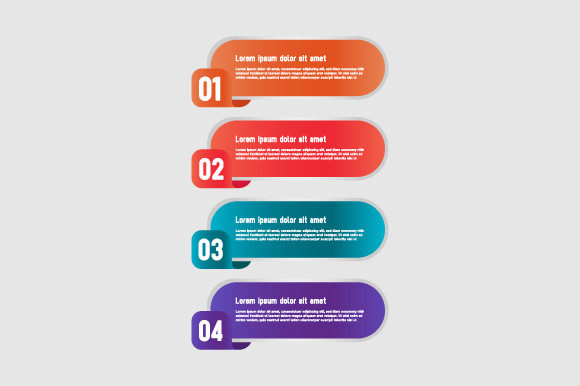
Creative Infographic Banner Template: Visual Solutions for Real-World Projects
A creative infographic banner template is more than just a decorative graphic; it is a structured visual framework designed to communicate complex information quickly and attractively. Unlike standard stock photos or generic illustrations, these templates provide a pre-organized layout where data, text, and imagery coexist harmoniously. They serve as a bridge between raw content and audience engagement, allowing users to present statistics, timelines, processes, or promotional messages without needing advanced graphic design skills. The primary value lies in the balance between aesthetic appeal and functional clarity, ensuring that the message remains the focal point while the design supports comprehension.
When Visual Structure Solves Communication Problems
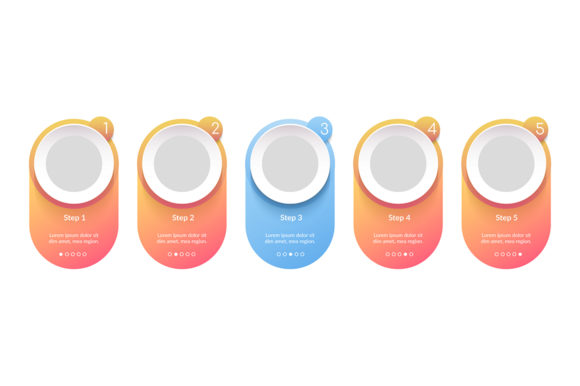
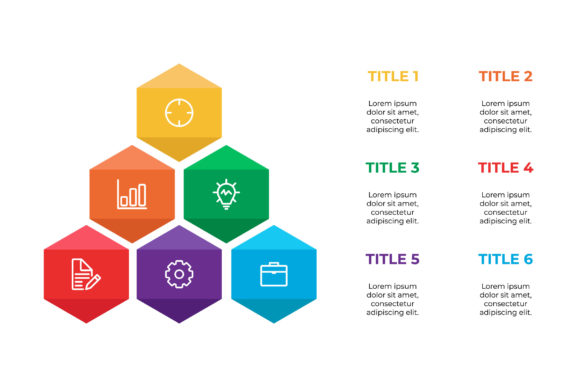
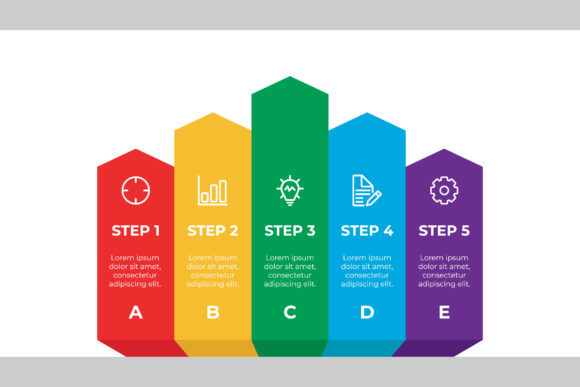
The decision to use a creative infographic banner template usually stems from a specific communication bottleneck. You might have valuable data that looks dry in a spreadsheet, or a multi-step process that becomes confusing when written in paragraph form. These templates are most effective when you need to reduce cognitive load for your audience. For instance, a marketer launching a new product feature might struggle to explain technical specifications in a social media caption. By utilizing an isolated infographic banner, they can visually break down the specs into digestible icons and short labels, making the post scroll-stopping and informative simultaneously.
Timing is equally important. These resources are ideal when deadlines are tight but quality cannot be compromised. Freelancers and agency owners often face scenarios where a client needs a polished presentation deck or a blog header within hours. Building a custom infographic from scratch is time-prohibitive in these situations. A high-quality template allows for rapid customization, turning a four-hour design task into a thirty-minute editing session. This efficiency does not mean sacrificing uniqueness; rather, it provides a professional foundation that can be adapted to fit specific brand guidelines instantly.
Practical Applications Across Different Sectors
The versatility of a creative infographic banner template collection isolated for decoration and background makes it applicable across a wide spectrum of personal and professional endeavors. Understanding these specific use cases helps in selecting the right asset for your needs.
- Digital Marketing and Social Media: Content creators and social media managers frequently use these banners to create carousel posts or Pinterest pins. An isolated template with a transparent or clean background allows for seamless integration over branded colors or lifestyle photography. This is particularly useful for educational content, such as "5 Tips for Better Sleep" or "Market Trends 2024," where the visual hierarchy guides the viewer through the information logically.
- Corporate Reporting and Internal Comms: HR departments and team leaders use infographic banners to make internal newsletters less tedious. Instead of a wall of text regarding new compliance policies or quarterly goals, a visual banner highlights key takeaways. This increases read-through rates and retention among employees who are skimming communications during busy workdays.
- Educational Resources and E-Learning: Teachers and course creators rely on these templates to summarize lessons or create study guides. A timeline banner can visualize historical events, while a process flow chart can explain scientific cycles. Because many templates come in SVG and EPS formats, educators can scale them for print handouts or digital slides without losing crispness, ensuring materials look professional regardless of the medium.
- Small Business Branding: Entrepreneurs often lack dedicated design teams. A creative infographic banner template serves as a brand consistency tool. By establishing a set color palette and typography within the template files, business owners can produce cohesive visuals for website headers, email signatures, and event signage, creating a unified brand identity that builds trust with customers.
Leveraging File Formats for Specific Outcomes
The technical utility of this resource is defined by the file formats provided: AI, EPS, SVG, JPG, and PNG. Each format serves a distinct purpose in a real-world workflow, and understanding these differences prevents frustration during production.
AI (Adobe Illustrator) and EPS files are the source masters. These are essential for users who need to fundamentally alter the structure of the infographic. If you need to add three extra steps to a process diagram or change the geometric shape of a container, these vector-based formats allow for infinite scaling and deep editing without pixelation. They are the industry standard for print production, ensuring that banners look sharp on everything from business cards to large-format trade show displays.
SVG (Scalable Vector Graphics) has become increasingly vital for web performance. Unlike raster images, SVGs are code-based vectors that remain crisp on retina displays and mobile screens while maintaining tiny file sizes. Web developers and bloggers should prioritize SVG versions of infographic banners for site headers and in-content graphics. This directly impacts SEO and user experience by reducing page load times, a critical factor for keeping visitors engaged with your content.
JPG and PNG files offer immediate usability for those without vector software. PNGs with transparency are invaluable for layering the infographic banner over video backgrounds, textured papers, or dark mode interfaces. JPGs serve as reliable fallbacks for platforms that do not support transparency or vector formats, such as certain email marketing tools or legacy CMS platforms. Having these rasterized versions included means you can deploy the visual immediately for a quick update, even if you plan to refine the vector version later.
Considerations Before Downloading or Purchasing
While a creative infographic banner template collection offers immense convenience, selecting the right one requires thoughtful evaluation. Not all templates are created equal, and a mismatch between the asset and the project can lead to wasted time.
First, assess the editability versus complexity ratio. Some templates are heavily stylized with intricate effects that are difficult to modify. If your goal is frequent updates with changing data, prioritize templates with clean, organized layers and smart objects over those with complex artistic flourishes. Conversely, if the banner is purely decorative and static, a more elaborate design might be appropriate.
Second, consider the context of isolation. Templates described as "isolated for decoration and background" typically feature transparent backgrounds or distinct separation from the canvas. Verify that the isolation style matches your intended backdrop. A white-isolated element will look jarring on a dark website theme unless properly masked. Previewing the file structure or sample images can save significant rework time.
Third, evaluate the semantic relevance of the iconography and layout. A template designed for financial data might use metaphors (like rising arrows or pie charts) that feel out of place in a healthcare or wellness context. Even if you can change the icons, starting with a layout that conceptually aligns with your topic reduces friction. The best template is one where the underlying metaphor supports your narrative rather than competing with it.
Finally, check licensing and compatibility. Ensure the license covers your specific commercial or editorial use case, especially if you are creating products for resale or using the assets in client work. Confirm that your software version supports the AI or EPS files provided; older versions of Illustrator sometimes struggle with newer gradient meshes or effects. Being proactive about these technical details ensures that the creative infographic banner template serves as a true accelerator for your projects rather than a technical hurdle.